The Cyber Resilience Act requires manufacturers to implement cybersecurity throughout the product lifecycle. But how do you prove compliance? Learn why traceability, documentation, and operational records are becoming essential for IoT OEMs.
The Cyber Resilience Act (CRA) introduces new cybersecurity obligations for manufacturers of products with digital elements. Many discussions focus on security features such as secure boot, encryption, or software updates. These capabilities are important, but they are only part of the compliance picture.
An equally important question is: How do you demonstrate that you have met the CRA requirements?
For many manufacturers, this will become one of the biggest compliance challenges.
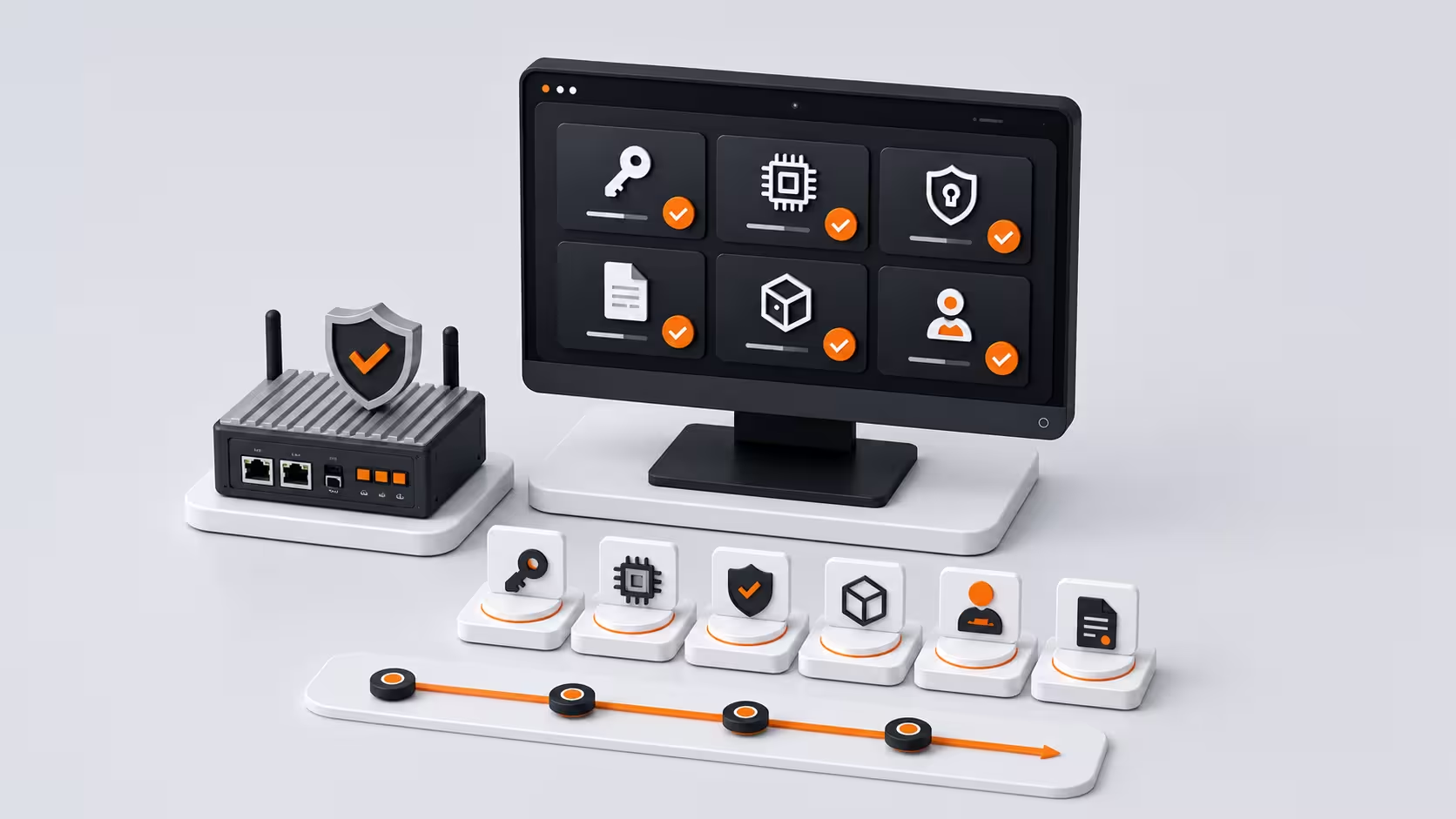
The CRA expects manufacturers to establish processes for managing cybersecurity throughout the product lifecycle. That includes activities such as:
Implementing these activities is important. Being able to demonstrate that they have been performed is equally important.
Imagine a regulator asks questions such as:
Answering these questions requires more than individual reports or spreadsheets. Manufacturers need accurate records that connect products, software, devices, vulnerabilities, and updates throughout the product lifecycle.
Compliance evidence is not something that can be created just before an audit. It is generated continuously as products move through different stages:
Each activity contributes to the overall compliance record. The more structured these processes are, the easier it becomes to demonstrate compliance when required.
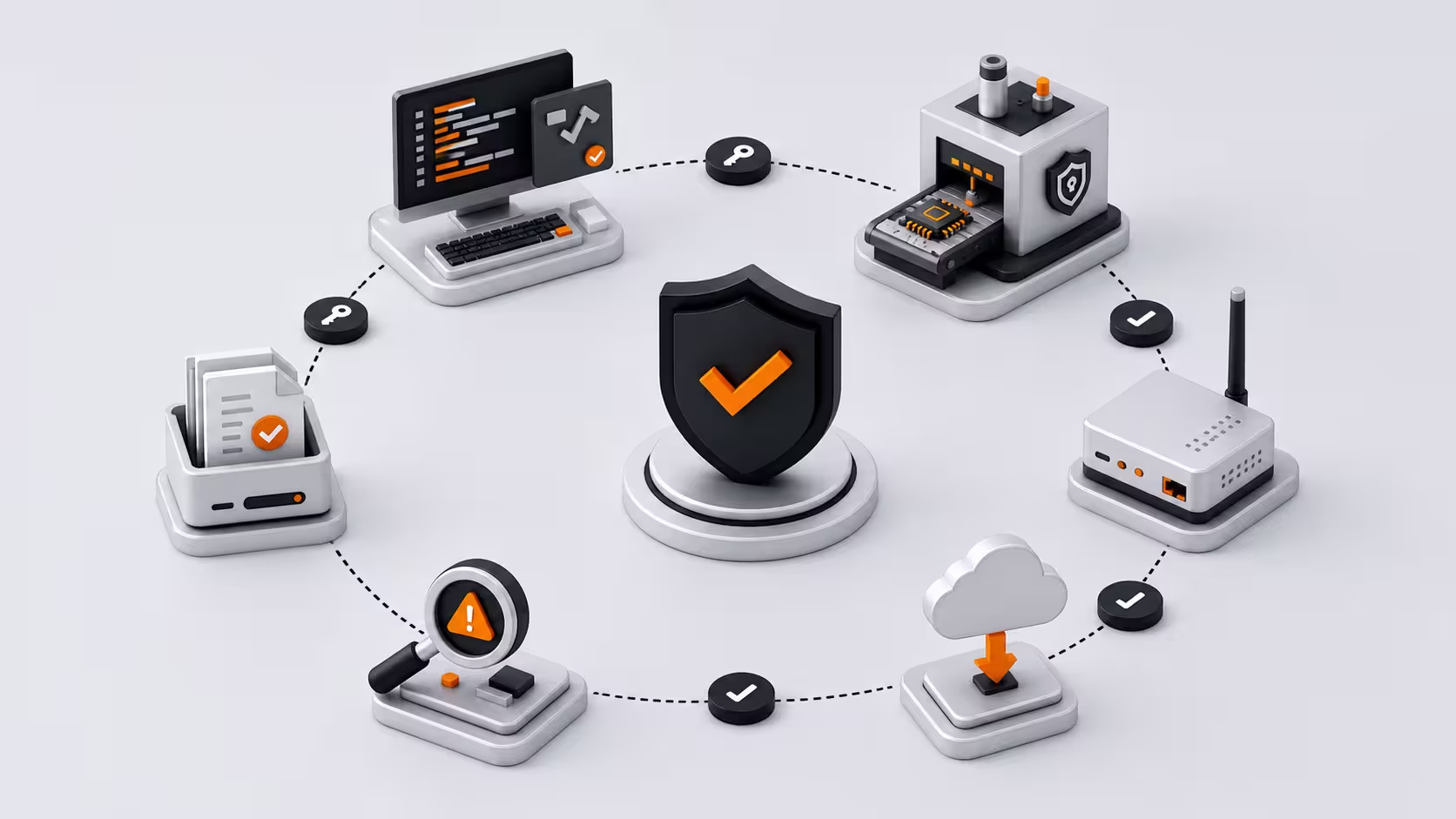
For many IoT OEMs, the challenge is not collecting more data. The challenge is connecting information from different teams and organizations.
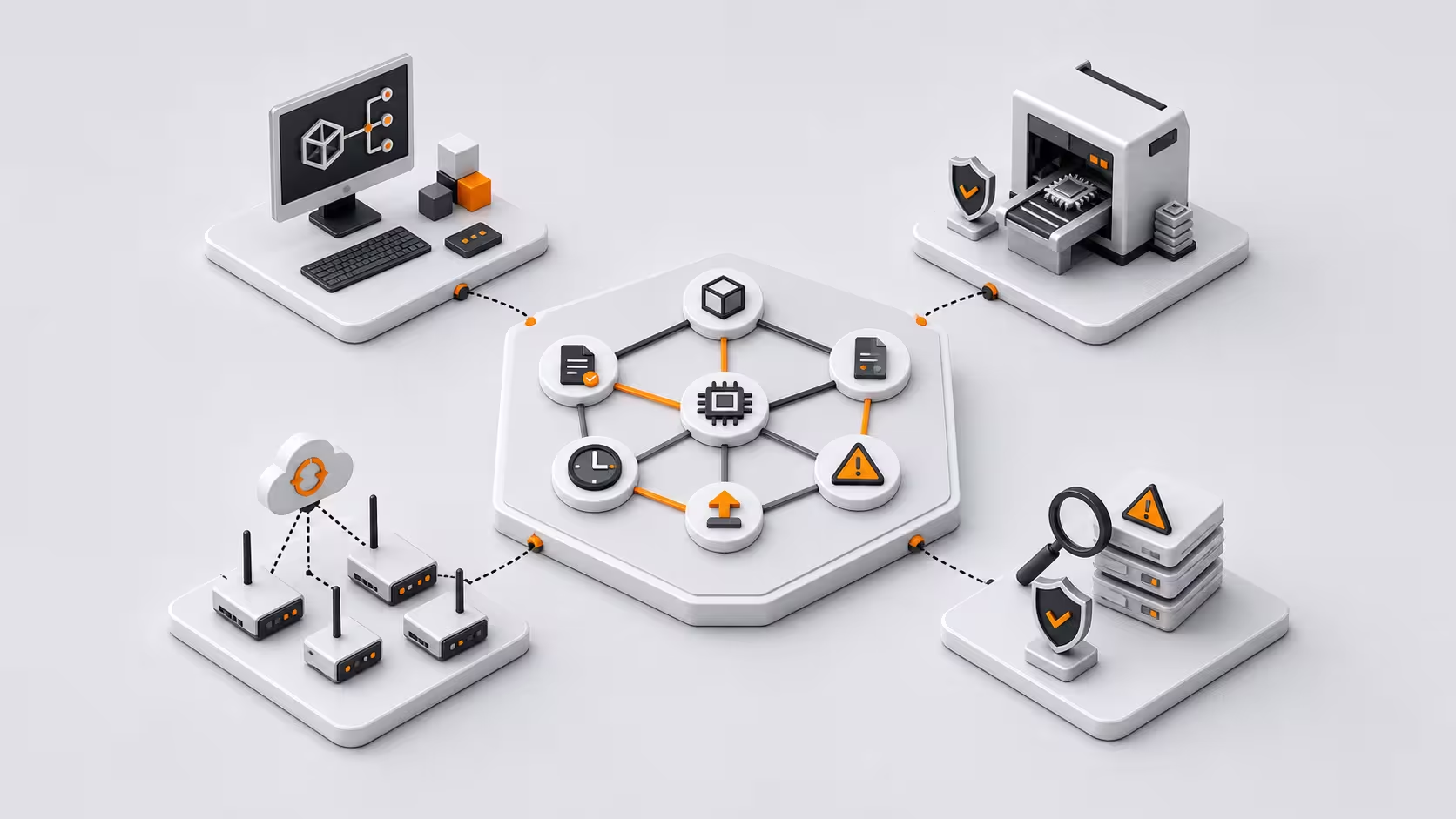
When these activities are disconnected, demonstrating compliance becomes difficult. A traceable lifecycle helps manufacturers understand not only what happened, but also when it happened, who performed it, and which products were affected.
The CRA is changing how product security is evaluated. Security is no longer measured only by the features included in a product. It is also measured by the ability to demonstrate how security has been managed throughout the product lifecycle. For IoT manufacturers, compliance is becoming an ongoing operational capability rather than a one-time project. Organizations that establish traceable processes today will be better prepared for both regulatory requirements and future security challenges.